As more parents begin to look beyond traditional education structures, questions around how children learn (and not just what they learn) are becoming increasingly important.
This leads many to explore progressive approaches to education, that value curiosity, creativity and wellbeing in addition to traditional academic development. Mixed age classrooms are often one of the first things encountered during this research, an educational approach that intends to address the varied and individual ways children develop.
At Dallington, this approach is part of a wider understanding of childhood. One that values curiosity, relationships and confidence alongside academic growth, and sees learning as something shaped not only by teaching, but by the community around the child.
What Are Mixed Age Classrooms?
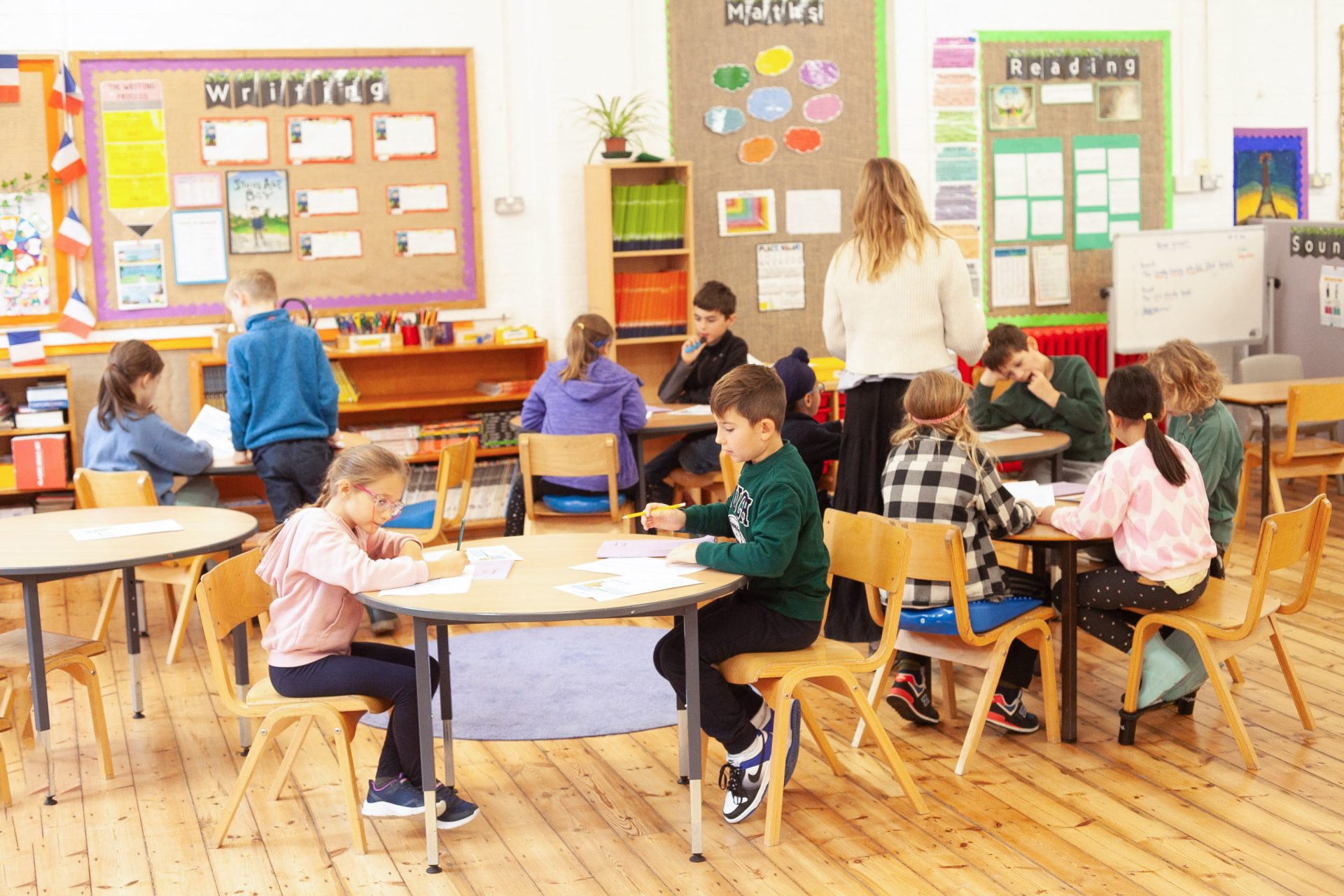
Mixed age classrooms see children of different ages brought together within the same learning environment, creating a space where development can unfold more naturally rather than grouping strictly by year. It is based on the simple ethos that children do not grow in straight lines. Their understanding, confidence and curiosity develop at different rhythms, often in ways that don’t neatly align with age alone.
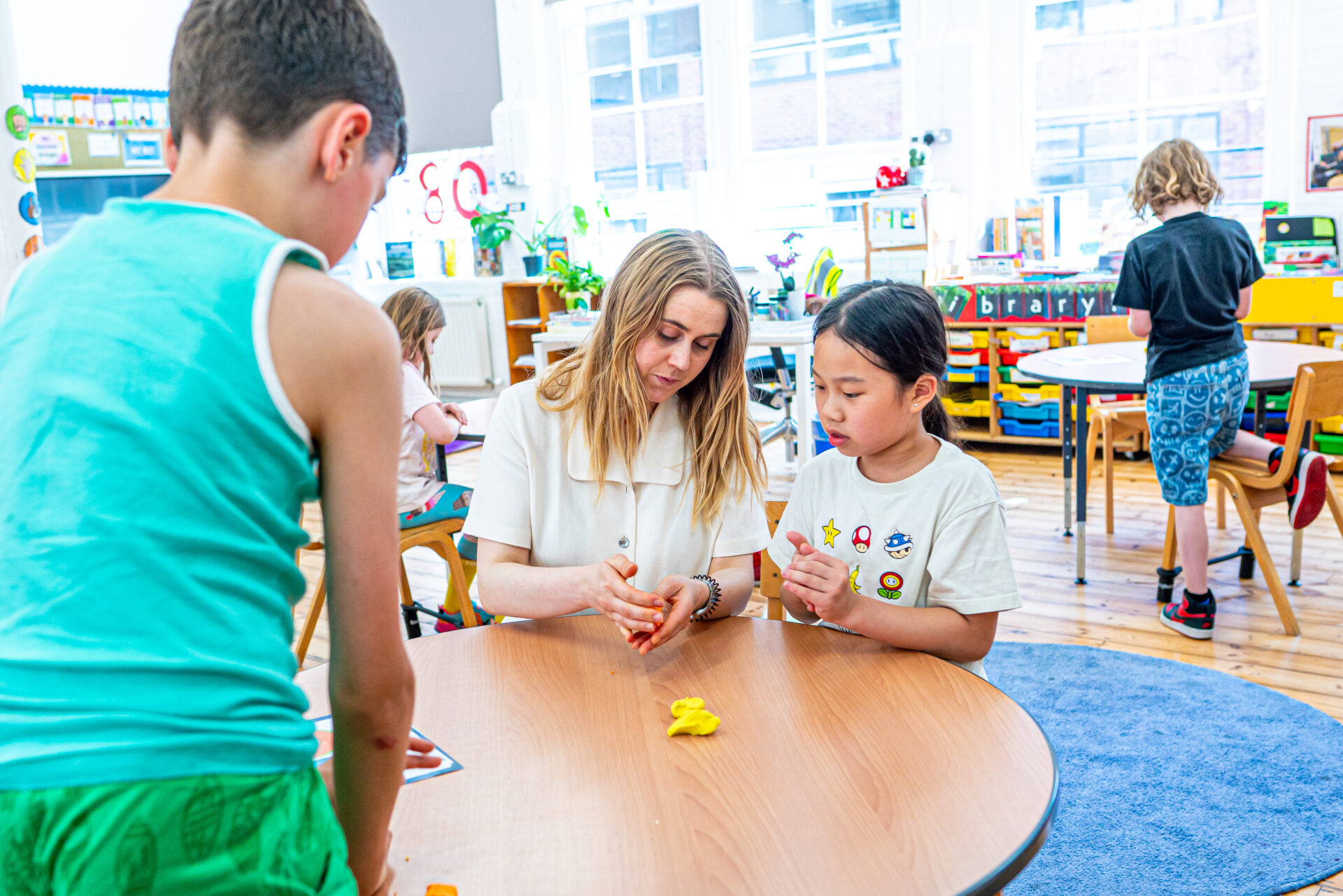
In place of a single pace for all, mixed age classrooms allow for flexibility, dialogue and shared learning. Children are able to revisit ideas, extend their thinking and engage with a wider range of perspectives, not only through their teacher, but through one another.
At Dallington, mixed age learning has long been part of the fabric of the school, shaping both the structure of the classroom and the learning within it.
The Benefits of Mixed Age Classrooms
In traditional classrooms, children are often expected to move through learning in step with their peers.
Yet in reality, understanding rarely develops so evenly. Mixed age classrooms take a different view, recognising that variation is not something to be managed, but something that can enrich the learning experience.
Learning at an Individual Pace
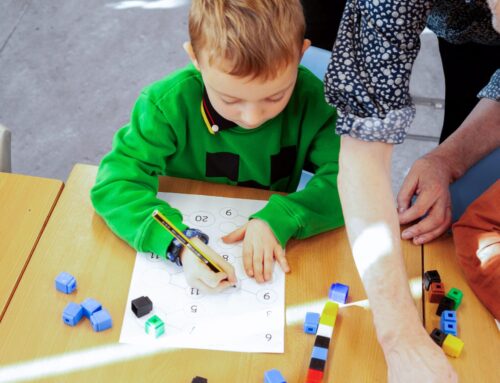
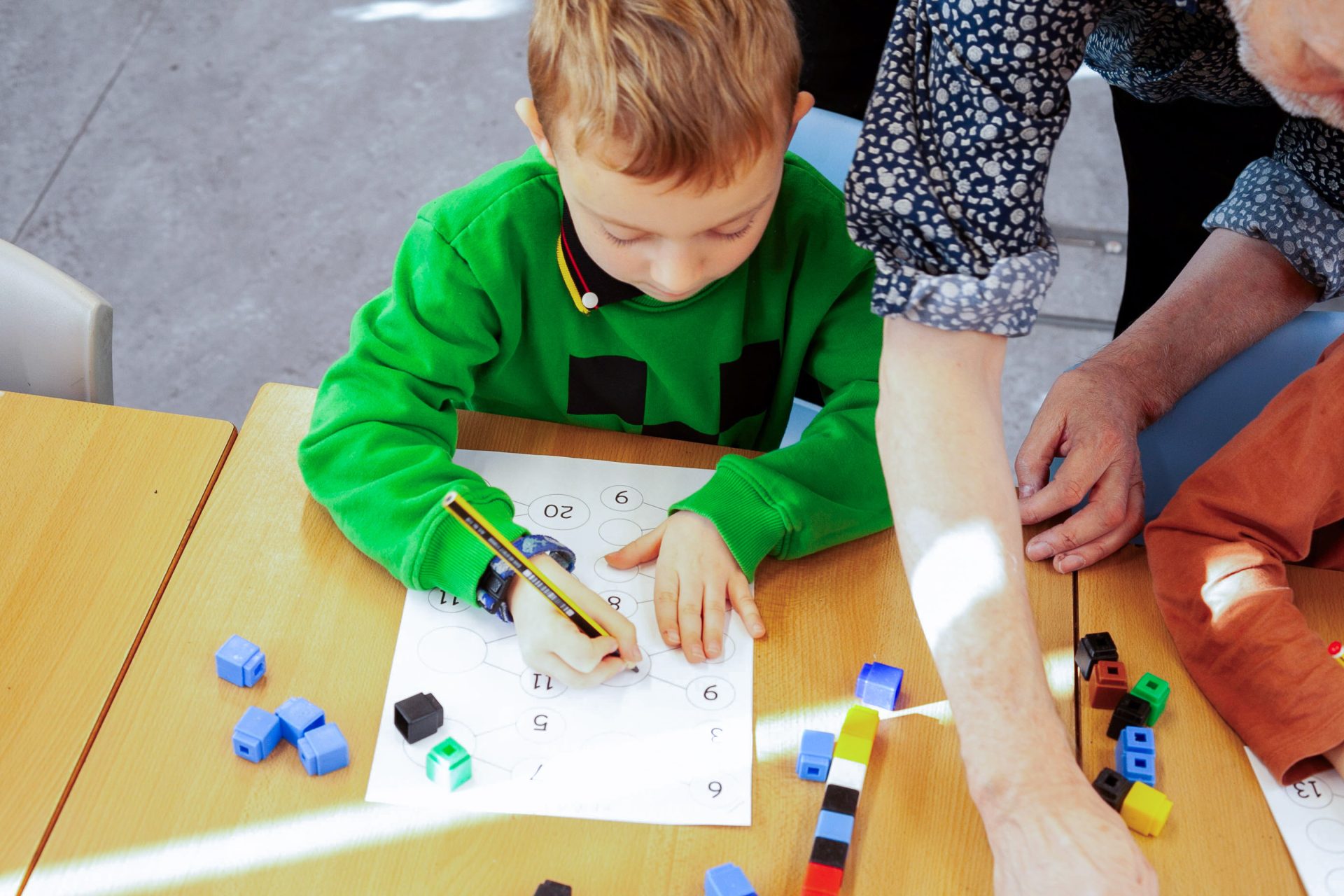
Within a mixed age environment, children are given greater space to move at a pace that feels right for them. Some may be ready to explore ideas in more depth, while others benefit from taking more time to build confidence.
Rather than being defined by where they “should” be, children begin to engage with where they are. Over time, this often allows confidence to grow more naturally, as learning becomes something they can trust rather than something they need to keep up with or be held back by.
Learning by Teaching and Observing Others
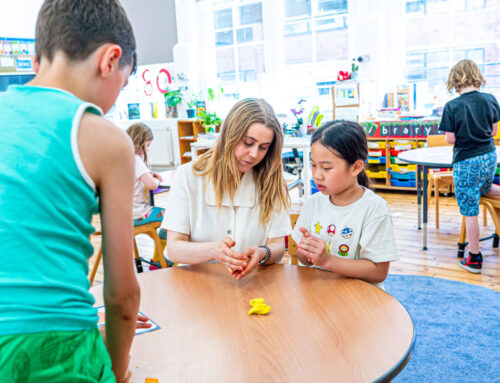
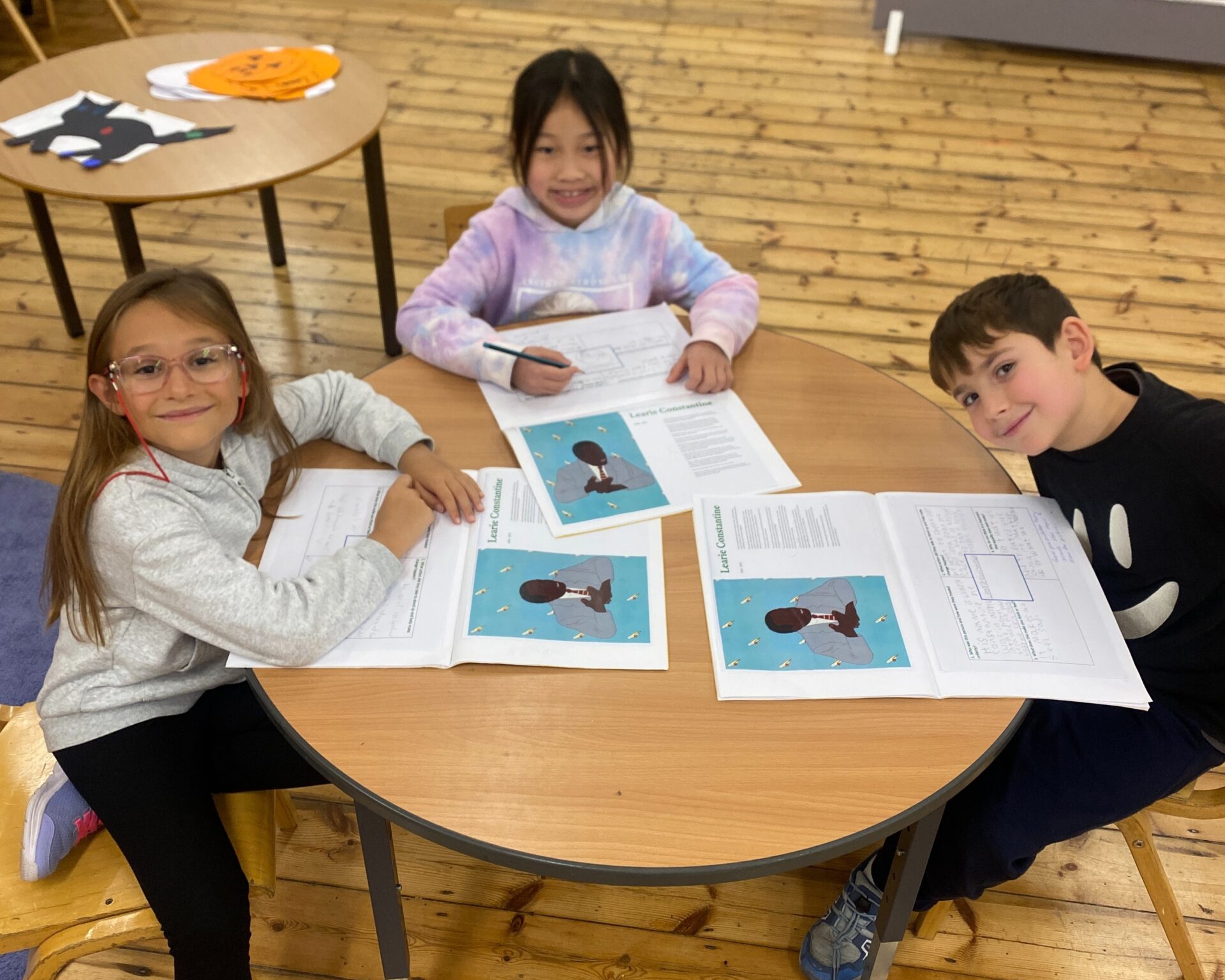
One of the qualities that often stands out in mixed age classrooms is the way learning flows between children. Older pupils frequently take on informal mentoring roles, explaining ideas, modelling approaches and supporting their peers, providing the life skills needed to thrive as adults at an early age.
In doing so, they deepen their own understanding. Research into peer learning suggests that teaching others can strengthen retention and comprehension, as children are required to articulate and apply what they know.
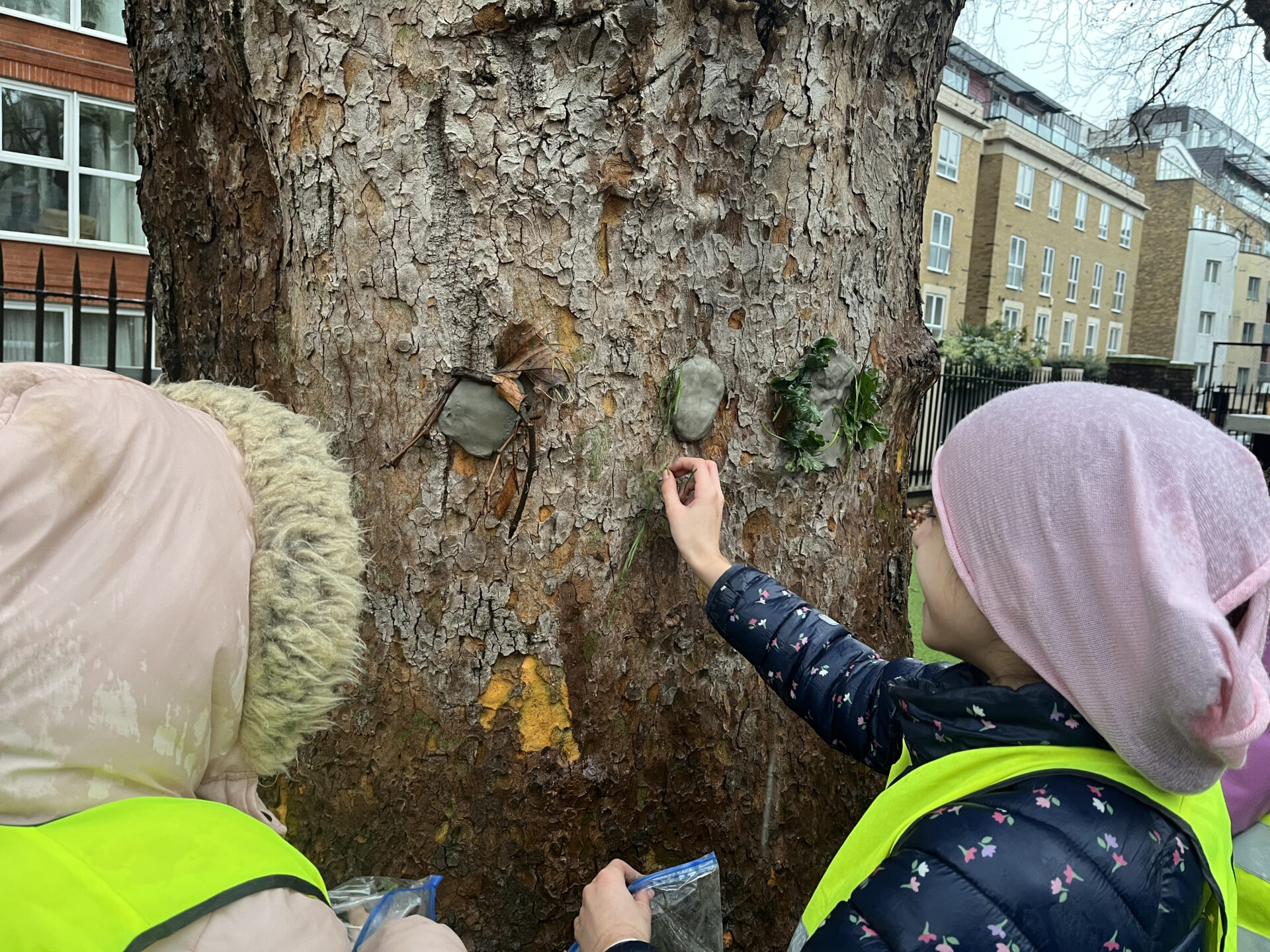
For younger children, the experience is equally valuable. Being part of a shared environment means they are regularly exposed to new ideas, language and ways of thinking. Learning becomes something they grow into, rather than something delivered at a fixed point in time.
Stronger Social and Emotional Development
With a broader range of ages comes a wider and often more balanced social dynamic. Friendships are not limited to a single year group, and children have more opportunities to relate to others in different ways.
Younger children may look up to older peers, while older children develop patience, empathy and a sense of responsibility. In many cases, this leads to a classroom culture that feels more supportive than comparative, where children are encouraged to understand one another rather than measure themselves against each other.
A More Collaborative, Less Competitive Environment
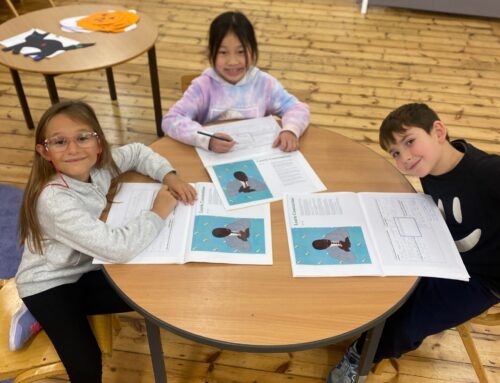
In a mixed age setting, the emphasis naturally shifts away from comparison. Because children are not all working at the same stage, there is less focus on who is ahead or behind, and more on how learning is shared.
This creates a calmer, more collaborative atmosphere. Children are more inclined to ask questions, to offer help and to see learning as something collective. Over time, this can encourage a more positive relationship with challenge, where curiosity takes importance over performance.
Growing Confidence and Independence
As children move through a mixed age classroom, their role evolves. A child who once observed and followed begins, in time, to guide and support others.
This gradual shift can be deeply affirming. It allows children to see their own progress not through comparison, but through contribution. Confidence develops not from being the same as others, but from recognising what they can offer.
At Dallington, this sense of shared responsibility is an important part of classroom life, helping children to develop both independence and a strong sense of belonging.
A Thoughtful and Considered Approach
Mixed age classrooms can appear, at first glance, to be less structured than traditional models. In reality, they require careful planning and a high degree of attentiveness.
Teachers work flexibly, responding to a range of needs within the same space and guiding learning in ways that are both structured and adaptable. This balance is what allows the environment to feel cohesive, while still supporting individual development.
When thoughtfully designed, a mixed age classroom does not lose structure. It reshapes it, creating a framework that responds to the children within it, rather than asking every child to fit within a single model.
Is a Mixed Age Classroom Right for Your Child?
Every child approaches learning differently.
Some feel most comfortable within clearly defined structures, while others thrive in environments that allow for greater flexibility and interaction.
If your child enjoys helping others, or learns best through observation, conversation or collaboration, a mixed age classroom may feel particularly natural. Equally, children who benefit from taking their time, or who grow in confidence when given space, often respond well to this kind of setting.
The question is not whether one approach is better than another, but which environment best supports your child as an individual.
A Different Way of Thinking About Learning
Mixed age classrooms invite a broader view of education. They place value not only on what children learn, but on how they grow as learners, how they relate to others and how they come to understand themselves.
In many ways, this reflects life beyond the classroom. We rarely learn in uniform groups, and much of our understanding develops through collaboration, observation and shared experience.
At Dallington, this approach is part of a wider philosophy that sees childhood as something to be both nurtured and respected. Learning is not hurried, nor is it reduced to outcomes alone. It is something that unfolds over time, shaped by curiosity, confidence and connection.
If you’d like to see the impact that mixed aged education can have on your child, why not visit the school and sign-up for one of our open days?