In recent years, parents have become increasingly aware that education is about far more than academic progress alone. Children’s emotional worlds, including their ability to understand themselves, connect with others, and navigate challenges, play a profound role in how they learn, how they build relationships, and how they approach life. Emotional intelligence is not a single skill, nor is it a fixed trait; it’s a set of abilities that grows over time and are shaped by the environment, relationships, and experiences that surround a child.
At Dallington, we see emotional development as the foundation upon which all other learning rests. When children feel understood and supported, when they trust the adults around them, and when they have the space to express themselves with confidence, they flourish, not only as learners, but as people.
Understanding Emotional Intelligence in Early Childhood
Emotional intelligence in young children begins with something simple: noticing. Noticing how they feel. Noticing how someone else feels. Noticing what happens in their bodies when they’re excited, frustrated, unsure, or joyful. Over time, with gentle guidance, these moments of awareness grow into understanding, communication, and self-regulation.
For young children, emotional intelligence isn’t about controlling feelings; it’s about learning to live with them. A four-year-old might not yet have the language to say “I’m overwhelmed,” but with practice, and an environment that welcomes emotional expression, they can learn to recognise that sensation and choose a helpful response.
Developing emotional intelligence is a gradual, deeply human process. It begins the moment a child enters a warm, responsive community and continues through every shared moment of play, conversation, challenge, and success.
The Early Years Are Crucial
The early years are a remarkable period of emotional and neurological development. Children absorb information at a rapid pace, and they look to adults for cues about how to understand the world. When adults model empathy, patience, curiosity, and calm, children internalise these qualities as part of their own emotional toolkit.
During this stage, the goal is not perfection, it’s connection. Children learn emotional intelligence not through correction, but through relationship; by experiencing what it feels like to be listened to, respected, and encouraged. These early experiences lay a foundation for resilience, adaptability, and wellbeing as they mature.
This is why the emotional climate of a school is so important. It shapes not just how children learn today, but how they grow tomorrow.
Why Progressive Education Supports Emotional Growth So Powerfully
Progressive education places children at the centre of the learning experience. Rather than viewing emotions as disruptions to be managed, it recognises them as meaningful signals that act as windows into children’s motivations, interests, and needs. This approach supports emotional development in several interconnected ways.
Progressive learning environments value the whole child
In a progressive setting, children’s feelings, questions, and perspectives are not side notes; they are a core part of the learning process. When a child feels frustrated with a task or excited about an idea, adults respond with curiosity rather than judgement. This teaches children that their emotions are valid and worth exploring.
Autonomy and ownership over learning
Having the freedom to make choices builds confidence. It encourages children to take risks, try new things, and learn from mistakes, all of which are essential components of emotional intelligence. Through this autonomy, children discover their own capabilities and learn how to advocate for themselves.
Mixed-age learning and community connection
Mixed-age groups naturally create an environment of empathy, responsibility, and collaboration. Younger children learn from watching older ones navigate challenges with growing maturity. Older children, meanwhile, develop leadership and compassion as they support their younger peers. This dynamic helps children understand themselves in relation to others, nurturing deep emotional insight.
Creativity as emotional expression
Creative work gives children a safe and natural outlet for emotions they cannot yet put into words, which is one reason why creativity is so closely linked to emotional intelligence development.
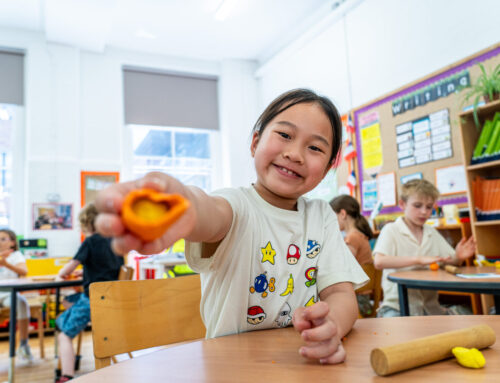
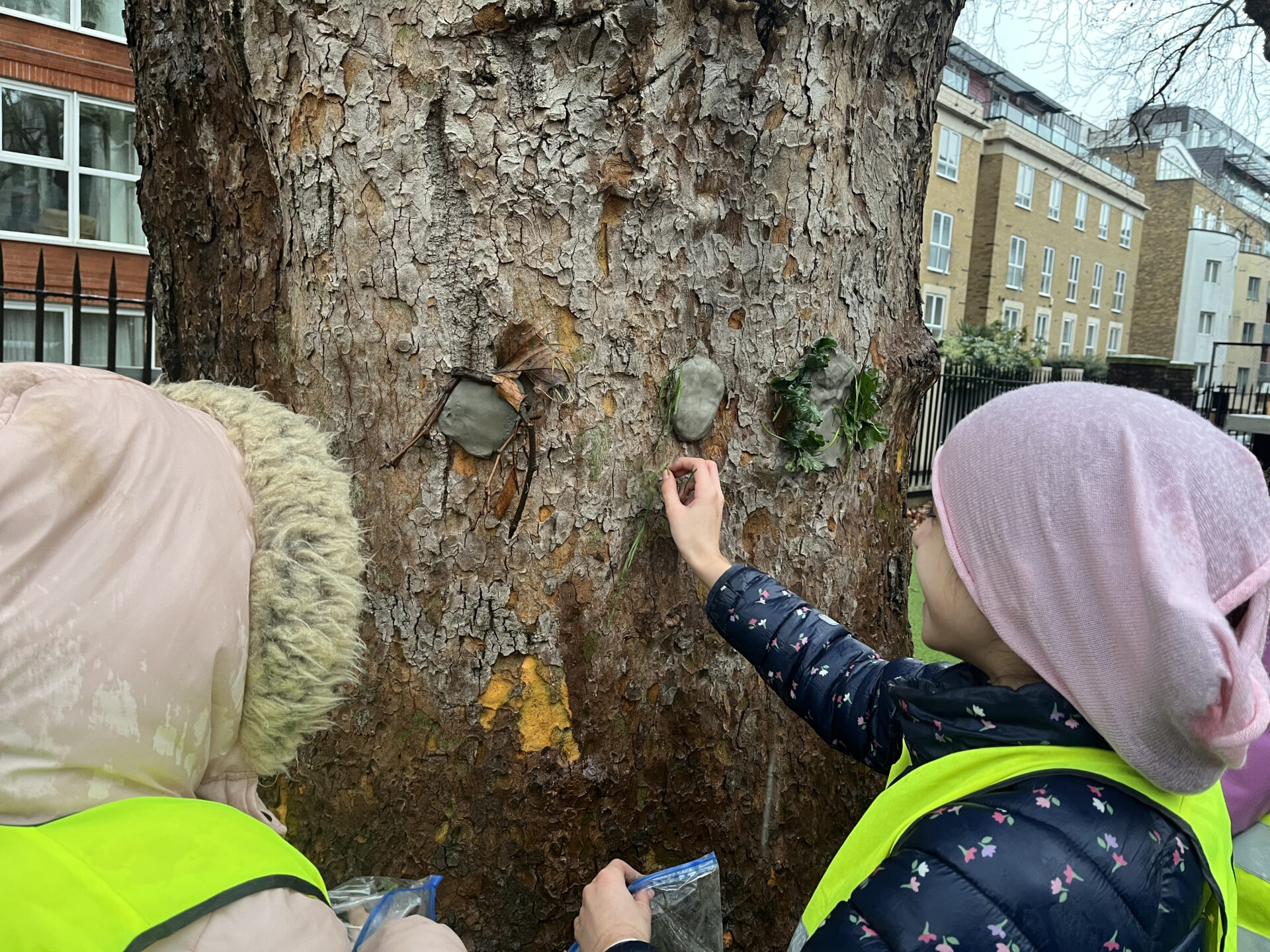
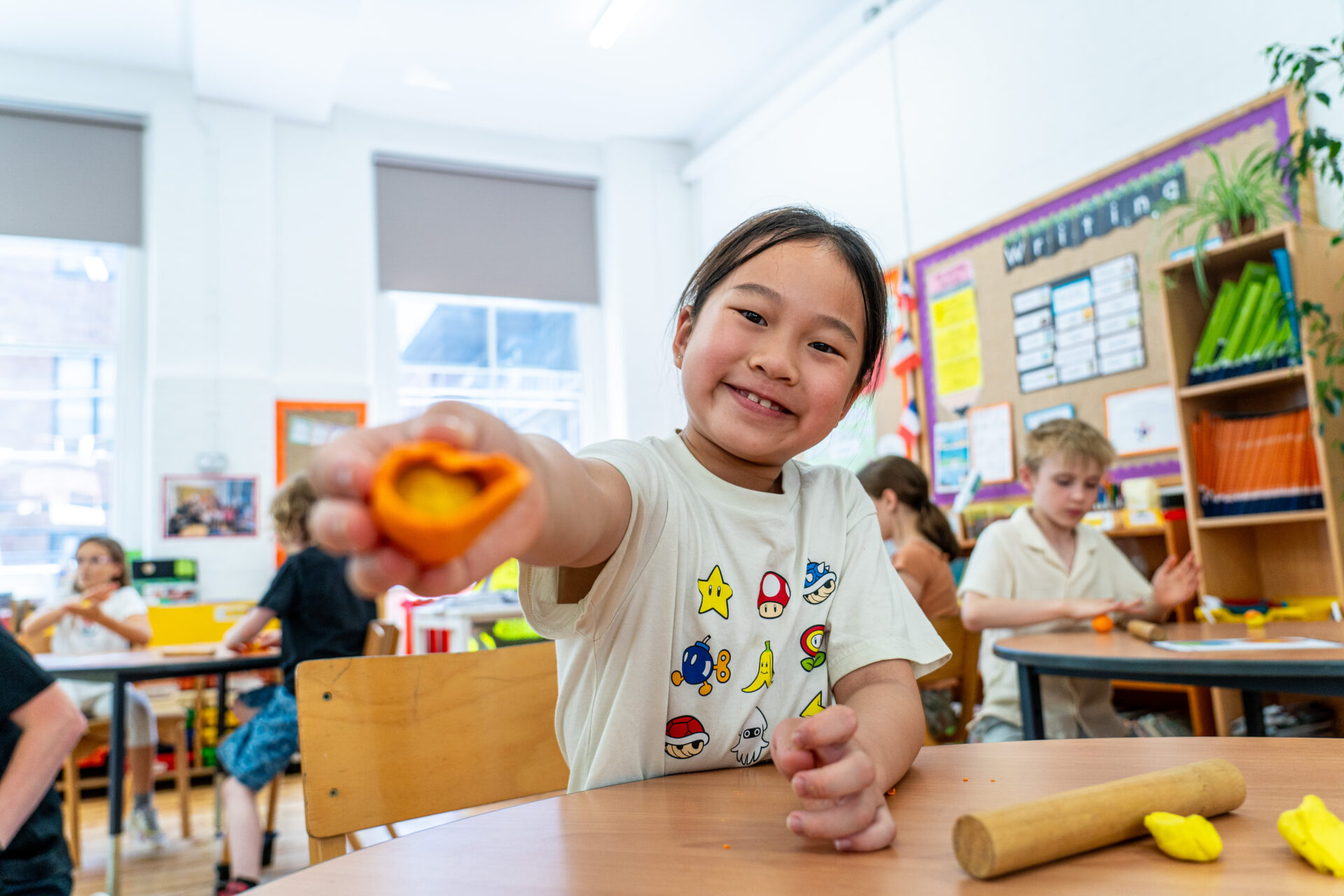
At Dallington, creativity is woven throughout the curriculum. Art, music, movement, and imaginative play provide children with safe, joyful ways to express complex emotions long before they have the vocabulary to articulate them. Creative exploration also builds self-esteem: children learn that their ideas matter, and that their inner worlds have space to unfold.
Responsive adults who model emotional clarity
Children learn emotional intelligence from emotionally intelligent adults. In progressive classrooms, teachers listen as much as they instruct. They narrate their own problem-solving processes, express feelings with honesty and calm, and help children make sense of their emotional experiences. This modelling is one of the most powerful influences on a child’s emotional development.
What This Looks Like at Dallington
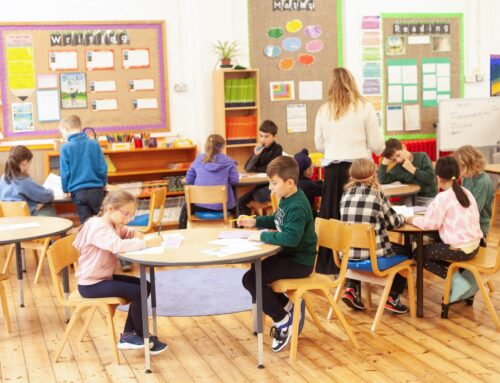
Emotional intelligence is not a standalone programme here, it’s part of daily life.
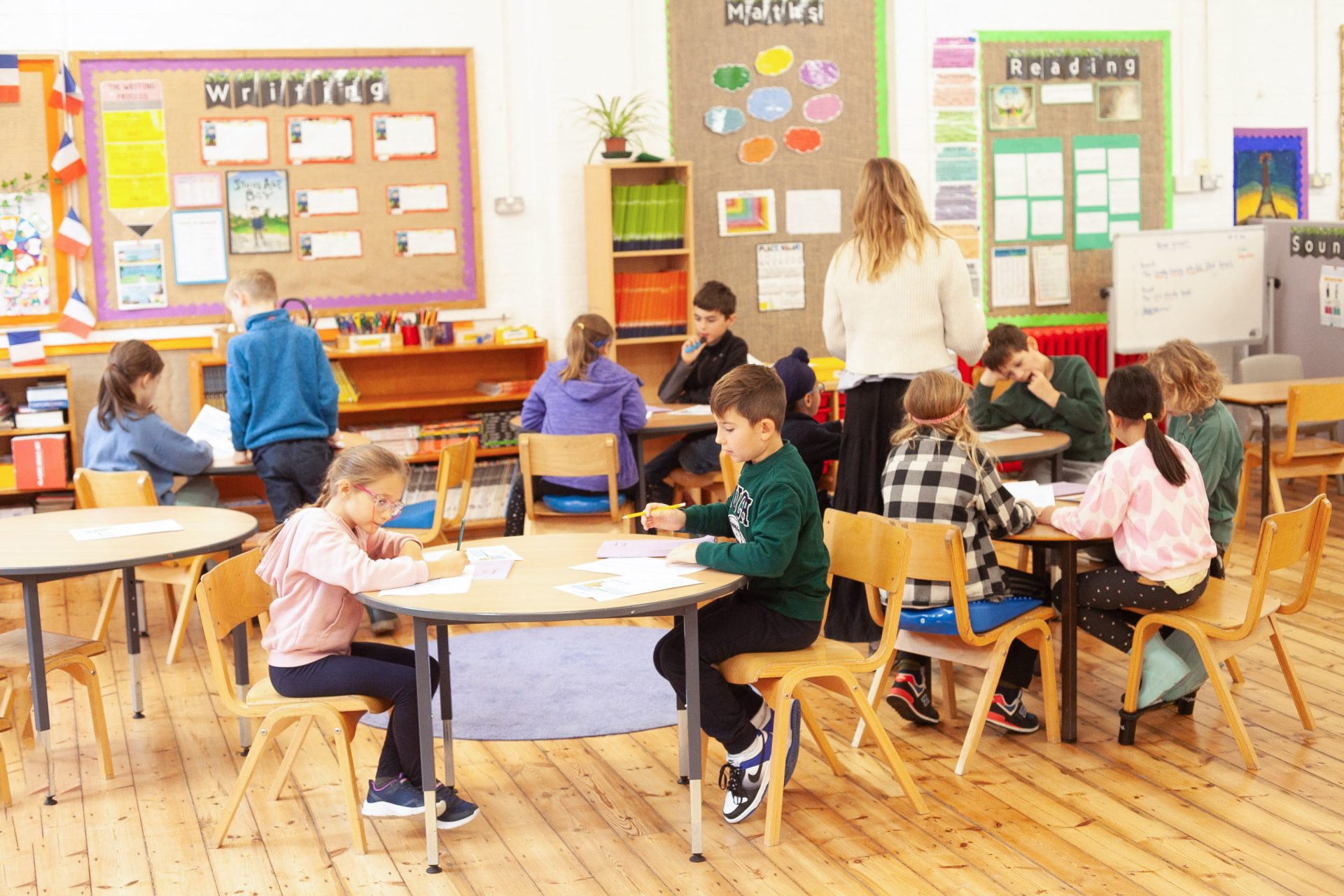
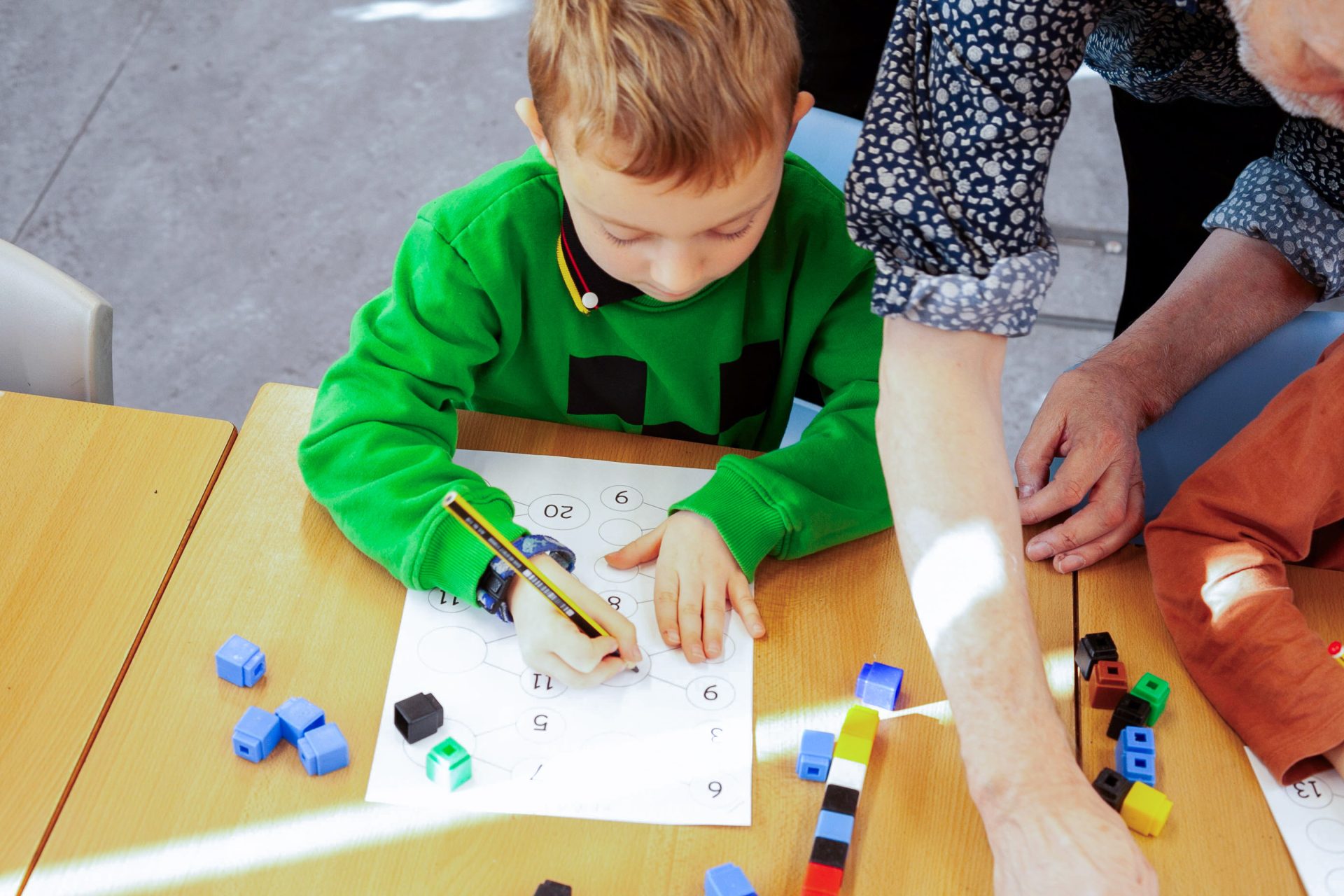
It appears when a small group gathers around a child who is unsure about joining an activity, offering a quiet invitation until they feel ready. It appears when an older child helps a younger one put on their coat, not because they were told to, but because it feels natural to support a friend. It appears in a moment of frustration, when a teacher kneels beside a child and says, “I can see this is difficult. Let’s work it out together.”
Even the structure of the school day supports emotional wellbeing. The rhythm of learning, reflection, and play allows children to develop a healthy sense of pace. There is time for curiosity to unfold, time for friendships to grow, and time for emotions to settle. Our creative curriculum gives children countless ways to explore who they are, and our community ethos ensures they always feel part of something larger than themselves.
These experiences help children become emotionally articulate, socially aware, and confident in their own unique strengths. These are qualities that serve them beautifully both at school and beyond it.
Supporting Emotional Intelligence at Home
Many parents want to know how they can help their children build emotional intelligence at home, and often the simplest practices are the most powerful. The good news is that everyday moments offer rich opportunities:
- Give your child space to feel what they feel before offering solutions.
- Share your own emotional experiences in a calm, age-appropriate way.
- Talk about characters’ feelings in stories you read together.
- Celebrate moments of empathy or kindness when you notice them.
- Create unhurried time for play, which is one of the most natural ways children process emotions.
The goal is not to eliminate difficult emotions (because those are part of being human) but to help children trust that emotions can be understood, expressed, and managed safely.
Emotional Intelligence is a Foundation for Life
Emotional intelligence matters because it shapes everything else. It helps children learn with confidence, build strong relationships, and move through the world with compassion and clarity. It gives them the tools to handle uncertainty, to persist through challenges, and to understand both themselves and others.
In a school like ours, where emotional development is valued as much as academic learning, children grow into curious, empathetic, resilient individuals. They are not just preparing for the next stage of education, they are developing the inner resources that will support them throughout their lives.
And that, perhaps more than anything else, is why emotional intelligence matters.