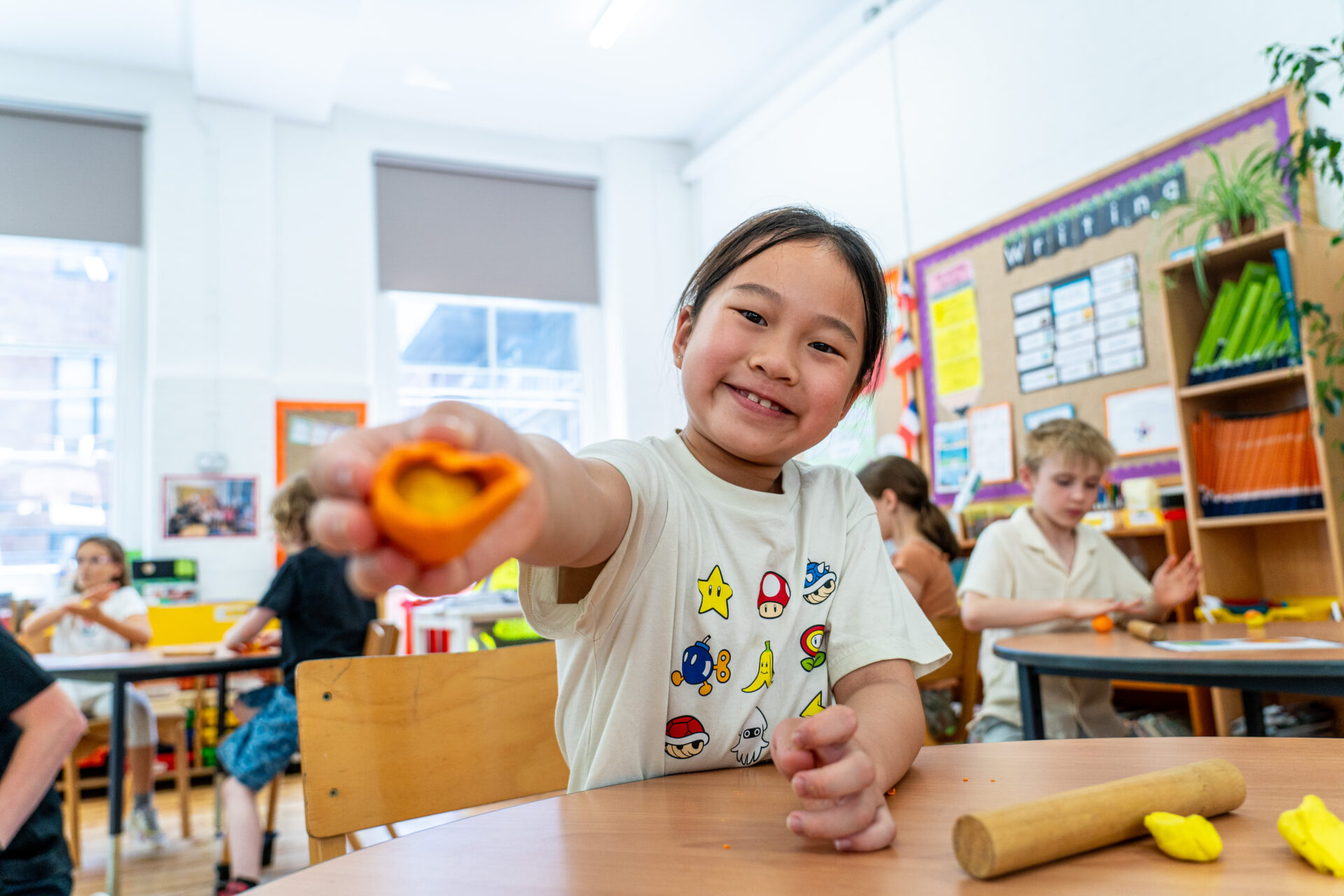
Confidence in childhood doesn’t come from being told you are capable. It grows gradually, through experiences that allow children to explore ideas freely, express themselves honestly and feel secure enough to take risks. Creative learning plays a central role in this process, because it places value on curiosity, individuality and emotional safety, and these are the very conditions in which confidence naturally develops.
At Dallington, creative learning is not treated as an enrichment activity or a reward for completing academic work. It is an essential part of how our children make sense of the world and of themselves.
Why Confidence Matters in Childhood
Confidence underpins almost every aspect of a child’s development. When children feel confident, they are more willing to share ideas, to try unfamiliar things and to persist when learning feels challenging. They are better able to form relationships, develop emotional intelligence and trust their own judgement.
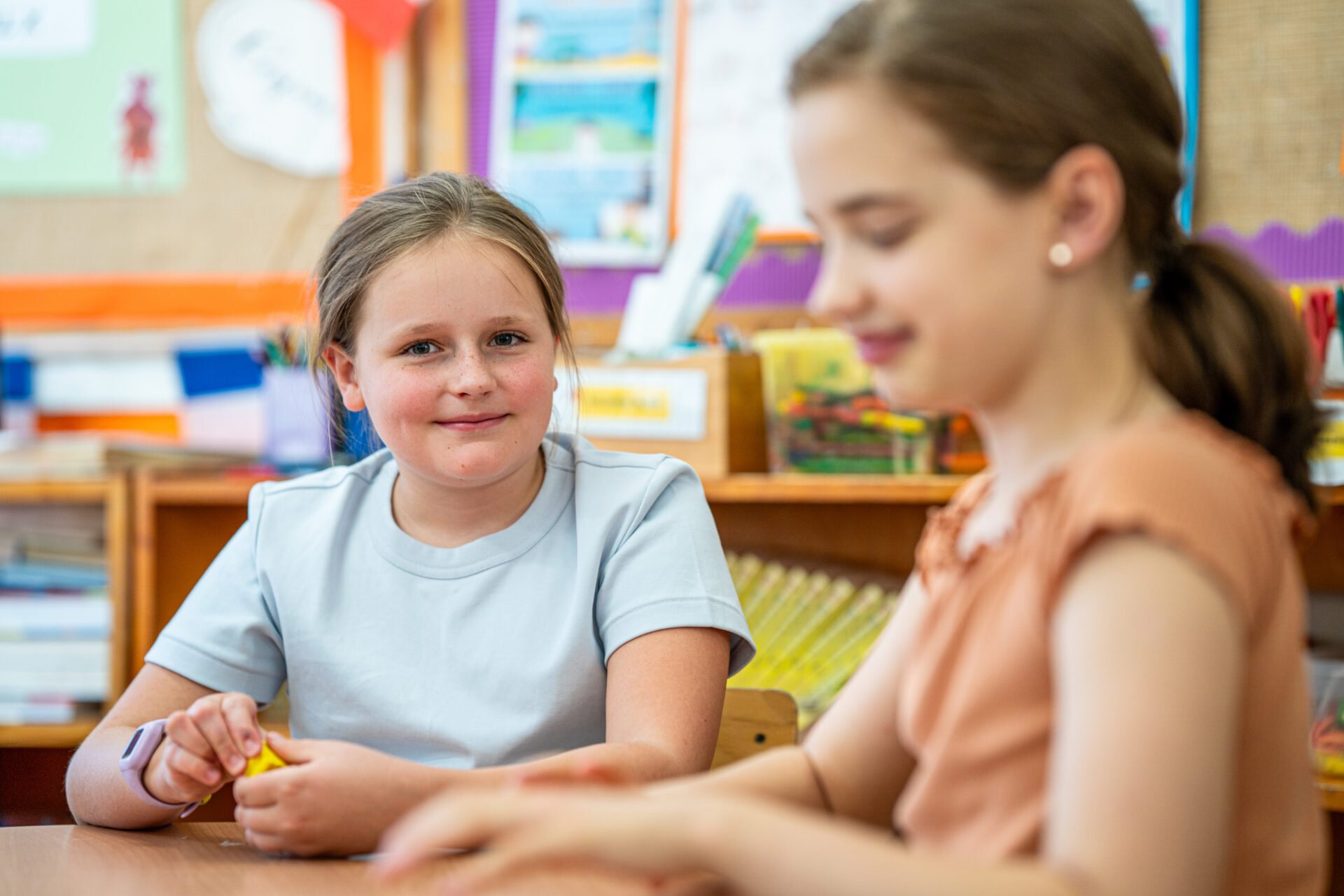
It is important to realise that confidence does not look the same in every child. It is not about being outspoken or always self-assured. For many children, confidence is quieter: a willingness to have a go, to speak up when it matters, or simply to feel comfortable being themselves. Schools that understand this are better placed to support children’s emotional wellbeing as well as their learning.
What Is Creative Learning?
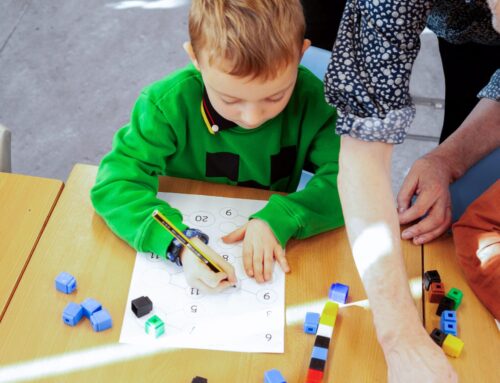
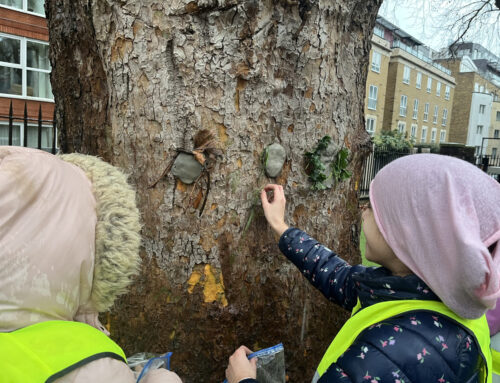
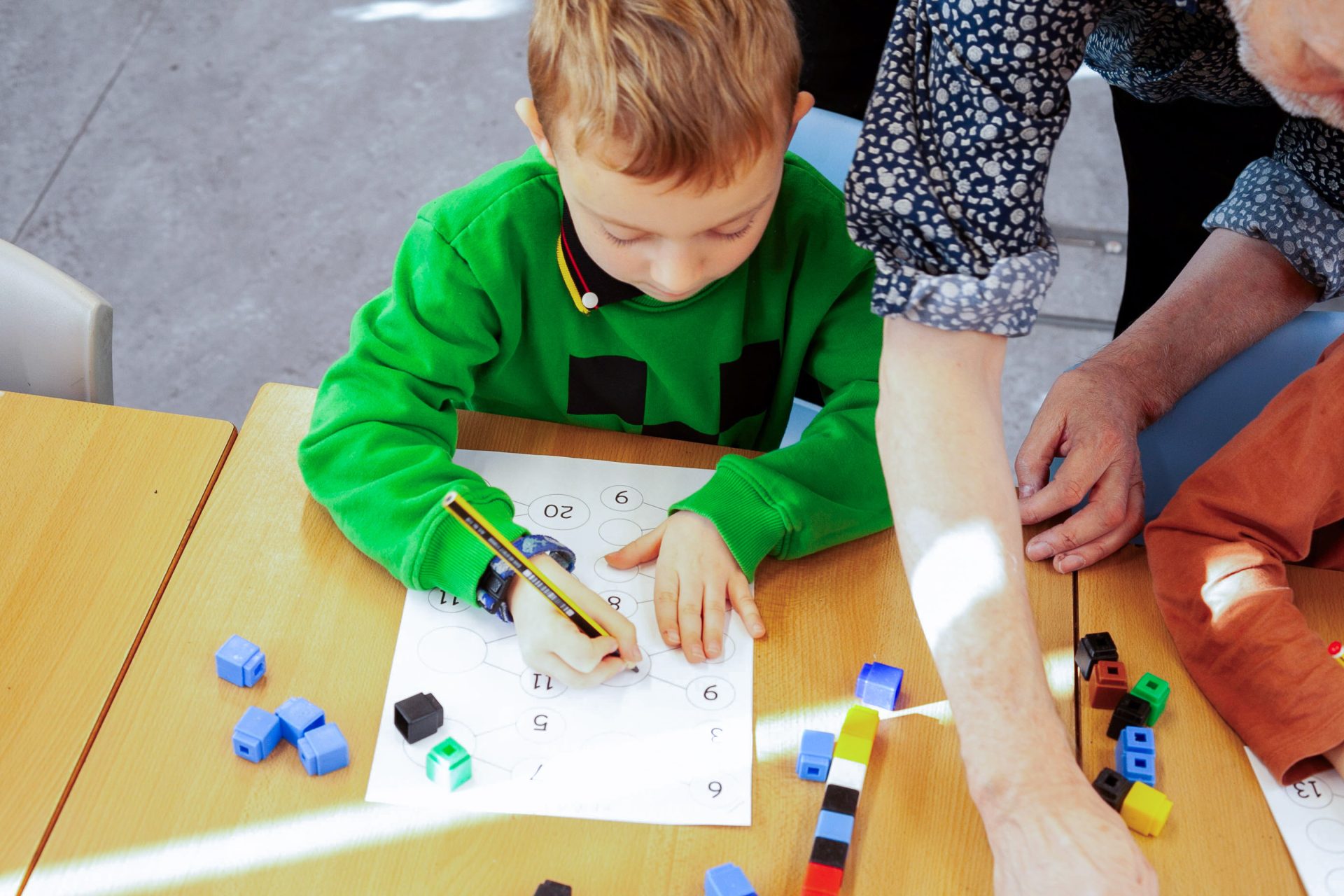
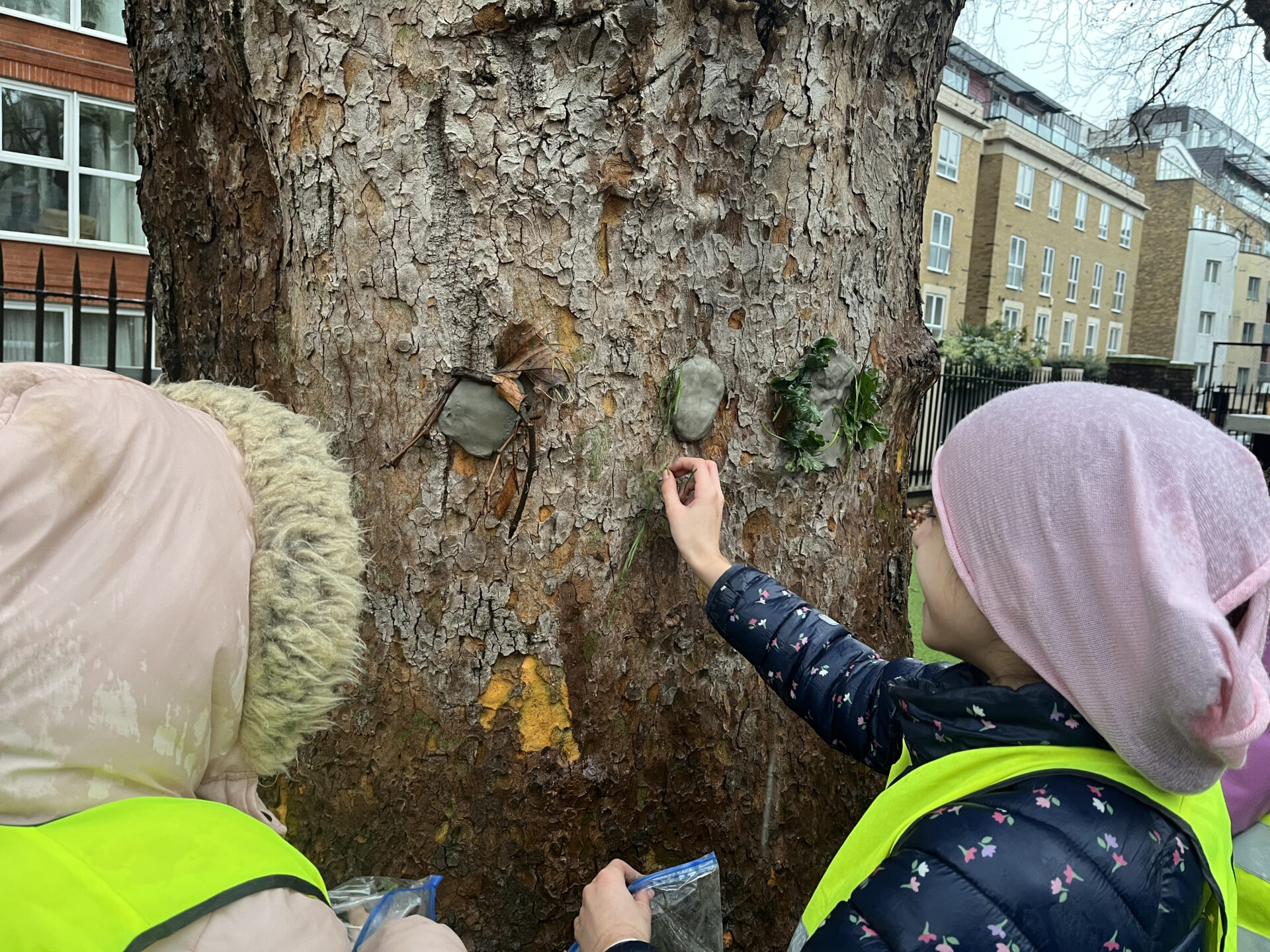
Creative learning is an approach that recognises learning as an active, personal process rather than a fixed pathway. Instead of focusing solely on outcomes or correct answers, it encourages children to engage with ideas in open-ended ways. They are given time to explore, experiment, question and reflect, using imagination as well as logic.
This kind of learning acknowledges that children think and communicate differently. Some may express understanding through conversation, others through drawing, movement, construction or storytelling. By valuing these different forms of expression, creative learning affirms that there is more than one valid way to learn — a message that is fundamental to building confidence.
How Creative Learning Builds Confidence
Creative learning builds confidence because it shifts the focus away from performance and towards process. When children are encouraged to explore ideas without fear of being wrong, they begin to see learning as something they participate in, rather than something done to them.
In creative learning environments, mistakes are not treated as failures but as part of thinking. This helps children develop resilience and reduces the anxiety that often accompanies more rigid approaches to education. Over time, children learn to trust their own thinking and feel more secure in taking intellectual and creative risks.
Creative learning also gives children a stronger sense of agency. When they are involved in shaping their learning, making choices and following interests, they experience themselves as capable and valued. That sense of ownership is deeply linked to self-belief.
How Creative Learning Helps Wellbeing
The connection between creative learning and wellbeing is particularly strong. Creative activity gives children space to process emotions, experiences and ideas in ways that feel natural to them. This is especially important in early and primary education, when emotional development is still closely intertwined with learning.
When creative learning is embedded throughout the curriculum, children are less likely to associate school with pressure or fear of failure. Instead, learning becomes something that feels meaningful and manageable. This supports emotional regulation, reduces anxiety and helps children develop a more positive relationship with learning itself.
Progressive education research shows that parents who choose creative, child-centred schools are often motivated by concerns around wellbeing, confidence and long-term emotional health rather than short-term academic outcomes
Why a Progressive Learning Environment Makes the Difference
Creative learning is most effective when it sits within a wider progressive educational philosophy. In these environments, children are known as individuals, and learning is shaped around their development rather than rigid age-based expectations.
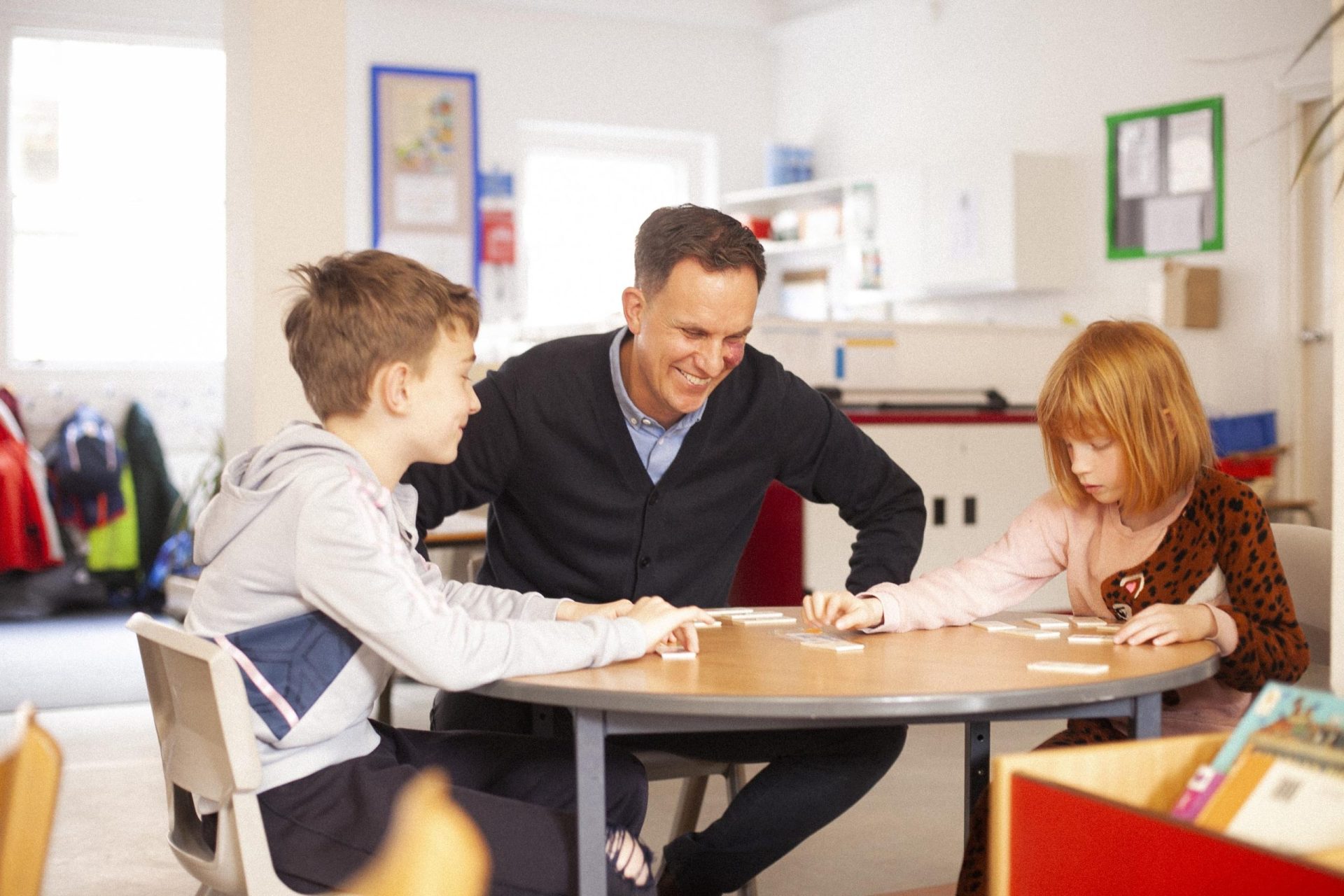
At Dallington, this means creating an atmosphere in which children feel safe to be curious, expressive and thoughtful. Mixed-age learning, small class sizes and strong relationships between teachers and pupils all contribute to a culture where confidence can develop naturally.
Rather than being measured constantly against external benchmarks, children are encouraged to reflect on their own progress. This fosters a deeper, more internal sense of confidence that is less dependent on comparison and more rooted in self-awareness.
Confidence That Lasts Beyond the Classroom
The confidence nurtured through creative learning does not end at the school gates. Children who grow up in environments that value creativity, emotional intelligence and individuality are better equipped to adapt to change, navigate uncertainty and engage thoughtfully with the world around them.
By prioritising creative learning, schools are not only supporting academic development but helping children build the emotional foundations they need for life. Confidence, in this sense, is not an outcome to be measured, but a quality that emerges when children are given the time, space and trust to grow.