By James, Head of Dallington School
Last week a prospective parent visiting Dallington shared something that surprised me, but then didn’t surprise me, as I sometimes forget the bubble of our school. Unlike many other schools, Dallington is somewhere where being child-centred isn’t just something we say, it’s what we live and breathe, what genuinely drives us. She had visited an open day at another school, and the main thing the children wanted to show prospective families was the reward systems. Gem jars, sticker charts, colour-coded behaviour displays publicly ranking every child in the room. Beautifully presented, carefully curated, and in my opinion, deeply troubling.
Because what message does that send? Schools like this, and there are many, are not a place to grow, explore or think, but a place to perform, to comply, to behave in ways that earn treats. It’s hard not to see the parallels with how we train puppies: do this and you’ll get that. And when children don’t meet the expectations, or simply have a bad day, their “place” on the wall announces it to everyone. Public shaming disguised as motivation. And it starts as young as four. This isn’t harmless. It negatively shapes how children understand themselves, each other, and learning itself.
Decades of research back this up. Alfie Kohn, drawing on the work of Edward Deci and Richard Ryan, argues that rewards and punishments are simply two sides of the same coin: tools of control. Punishment says “Do this or something bad will happen.” Rewards say “Do this and something good will happen.” Both send the same message: “Your behaviour exists to please me.”
Kohn calls rewards “control through seduction.” Over time, they don’t just fail, they actively undermine the very things we care most about: curiosity, creativity, problem-solving, joy, confidence. At best, they create short bursts of compliance. At worst, we end up with children who are dependent on adult approval to feel successful, praise addicts who have forgotten how to think for themselves.
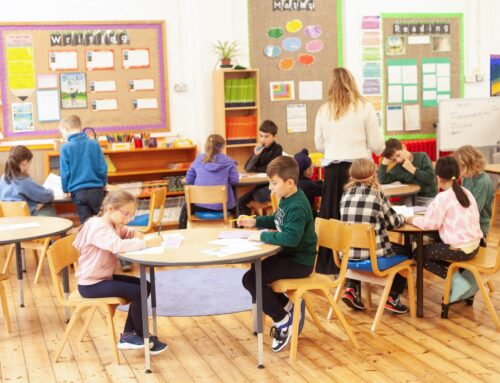
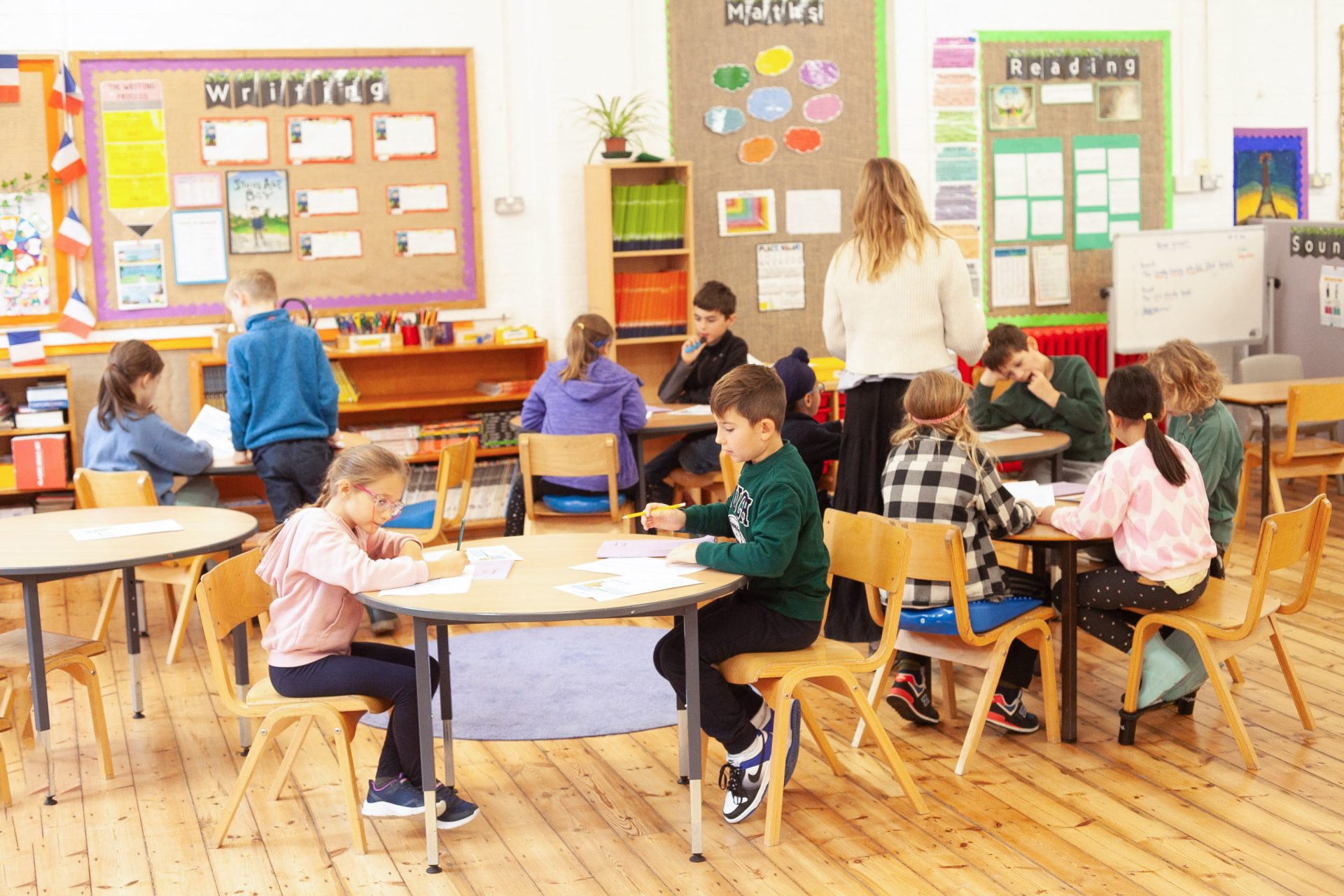
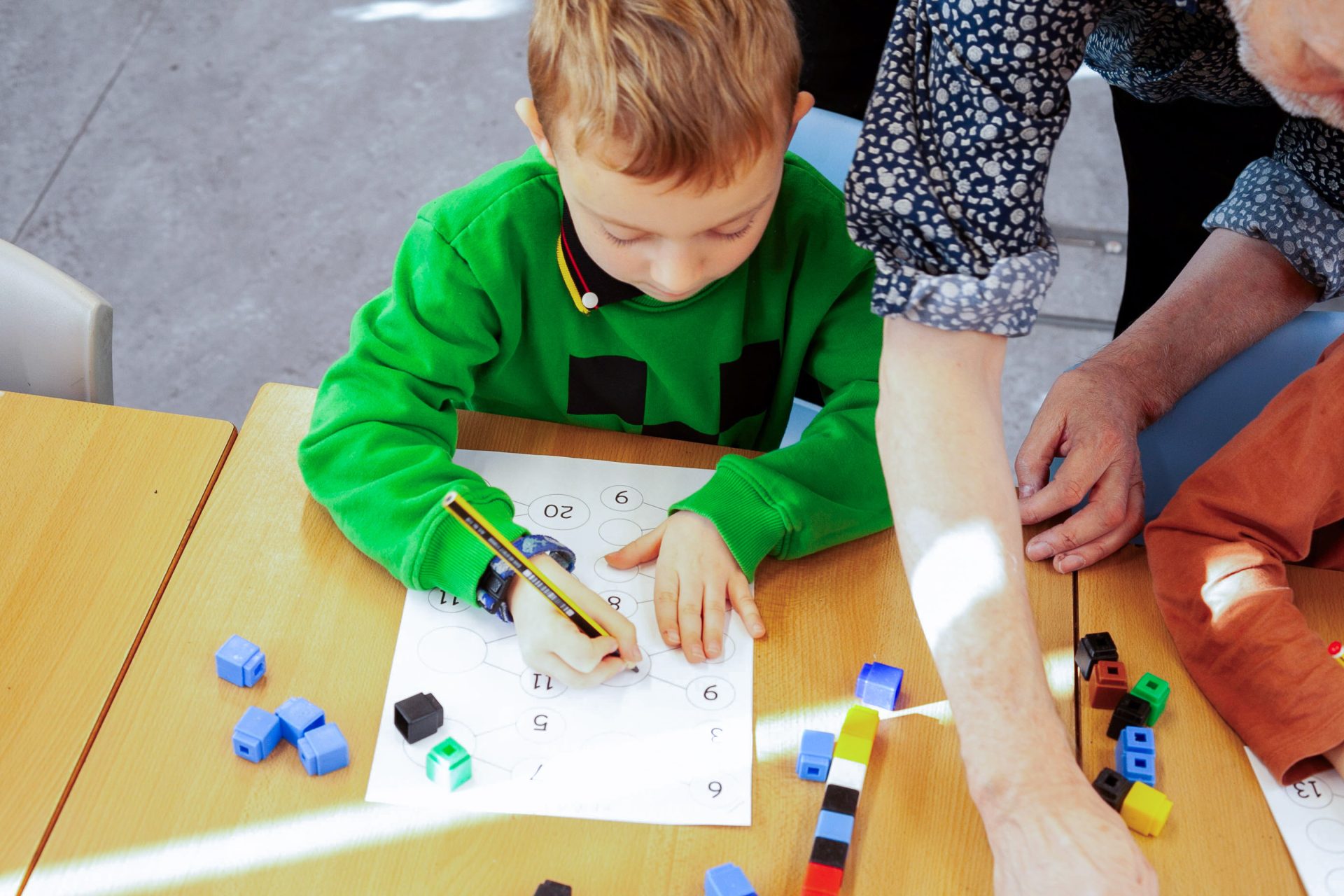
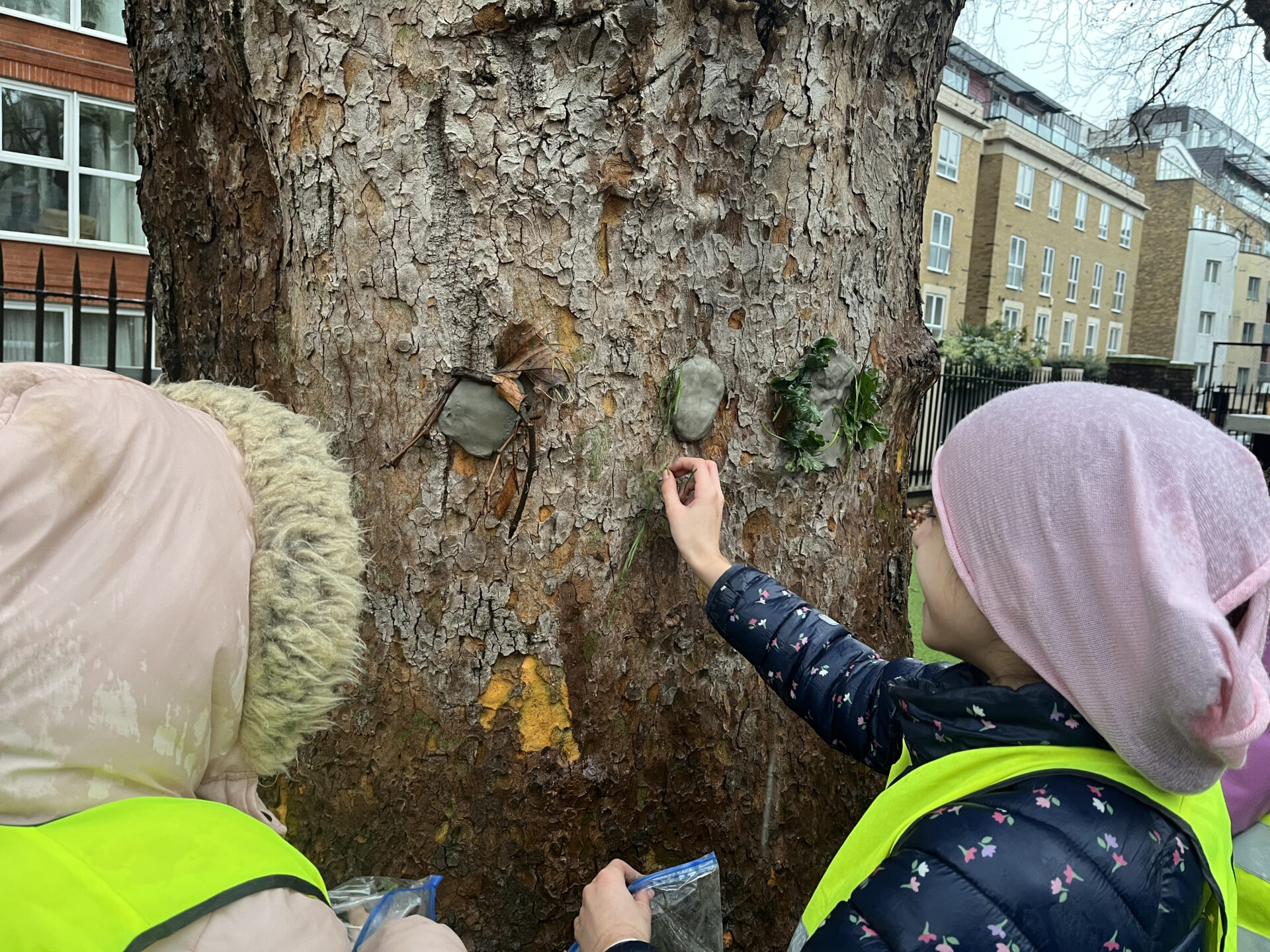
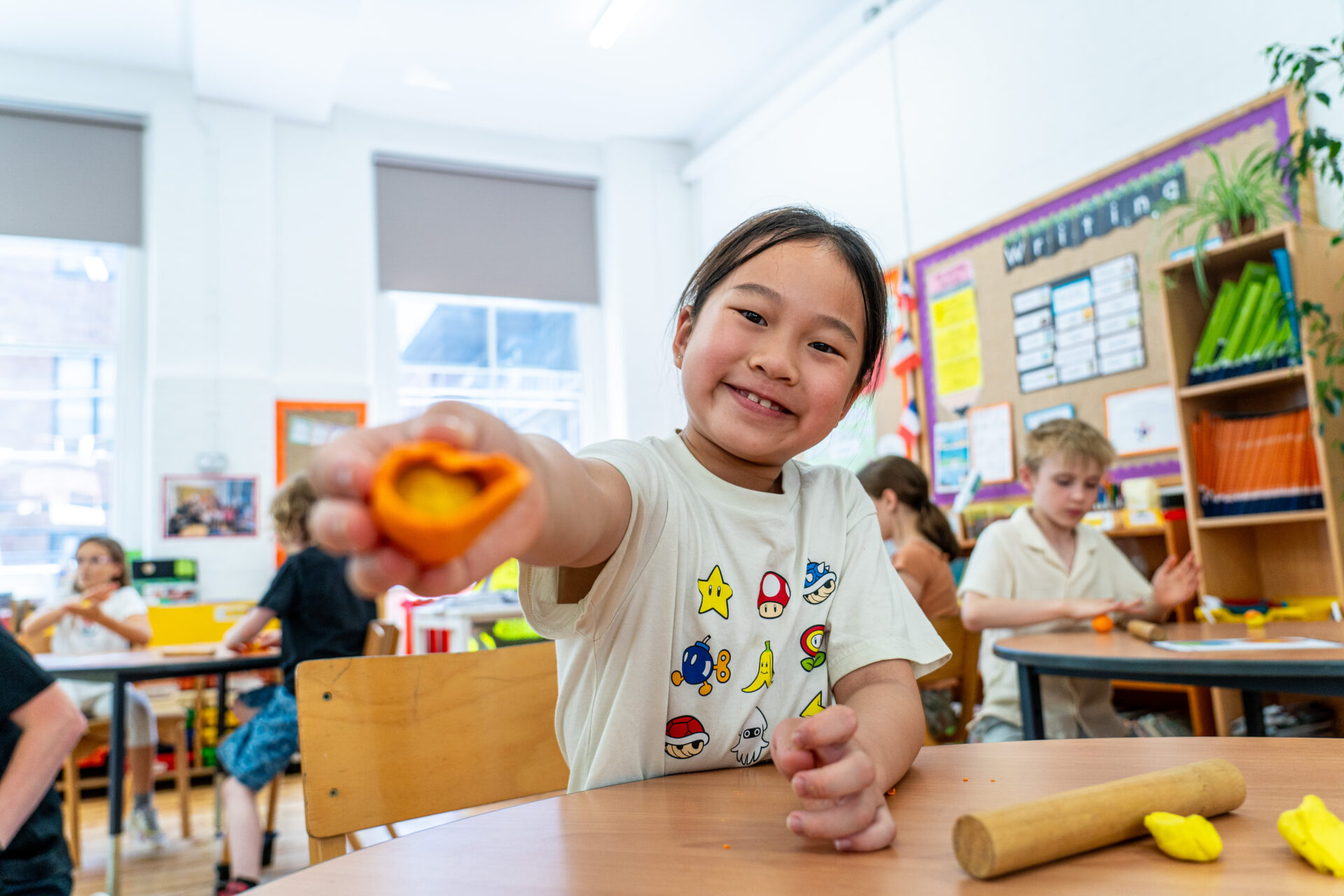
At Dallington, we choose a different approach. We refuse to pit children against each other. We refuse to reduce learning to a leaderboard. We refuse to shame, bribe or manipulate. Instead, we treat children as humans, not projects to manage. We celebrate differences rather than ranking them. We build collaboration, not competition.
”At Dallington, we choose a different approach. We refuse to pit children against each other. We refuse to reduce learning to a leaderboard.”
Intrinsic motivation, the desire to learn because something is meaningful, joyful, or important, cannot be bought with stickers. It grows in environments where children feel safe, respected and empowered. Where they have choices. Where the content they explore matters to them. Where community is built, not enforced.
And yes, of course we celebrate successes. When our school came 3rd in an eco-competition, the joy was real because the work meant something. When our team was named Sports Team of the Tournament, we celebrated the team’s spirit and collaboration, not a points tally. But you won’t see token “everyone gets a certificate” assemblies or behaviour charts plastered across our walls. We don’t need them, because learning, and being part of a community, is reward enough.
If we want children to become confident, kind, thoughtful human beings, then we have to stop manipulating them with gold stars and start trusting them with real learning, real relationships, and real responsibility. At Dallington, that’s exactly what we choose to do.